Our Experience in Cutting
Our years of experience and variety of cutting techniques has grown alongside our assembly operations, identifying the most appropriate cutting method to suit both the product criteria and the material of choice, to delivery the ultimate solution, is the key initial step in achieving the appropriate result and performance required in the finished product.
Our Cutting Capabilities
Our current manufacturing capabilities include.
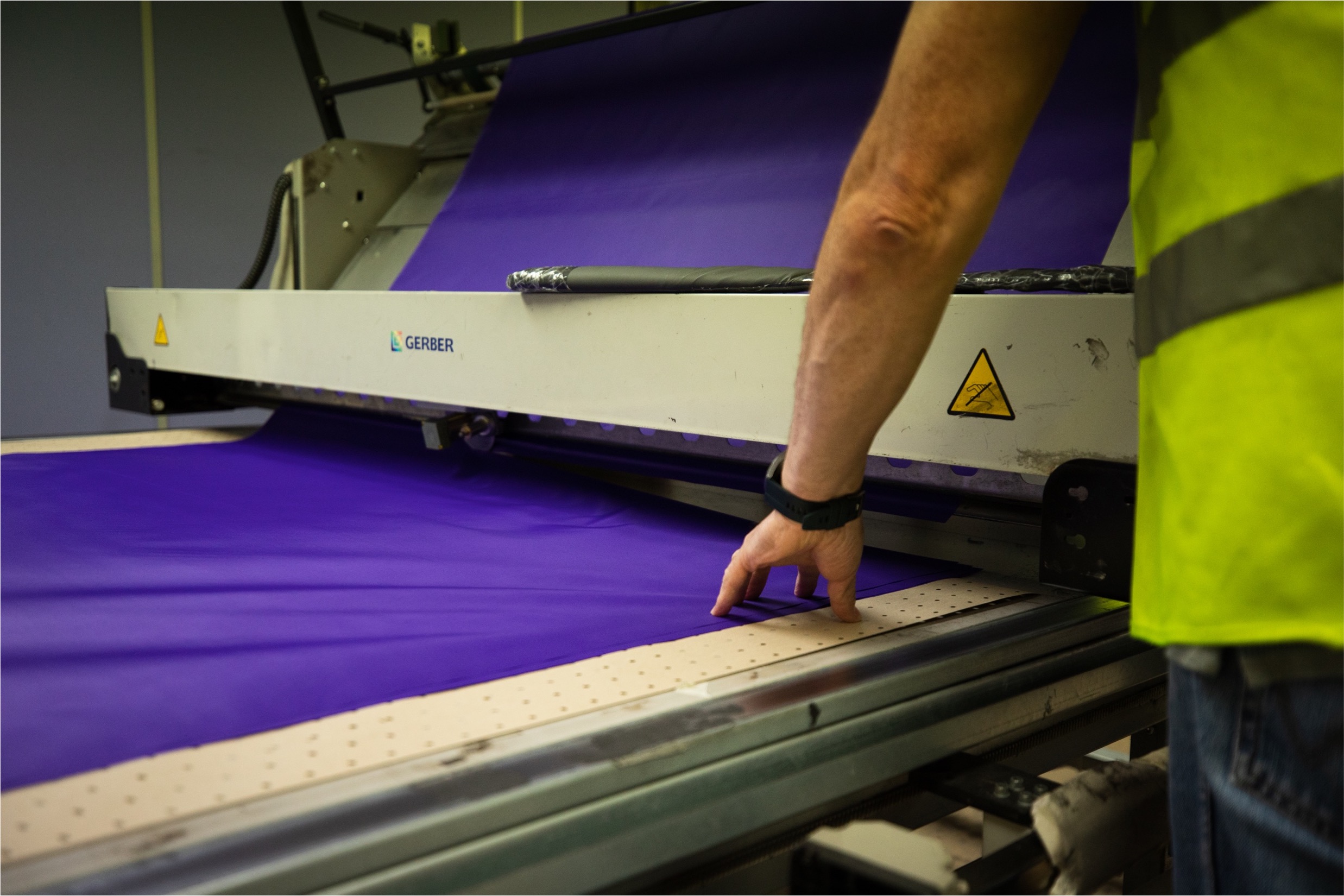
- CNC controlled – multilayer cutting.
- CNC controlled – single layer cutting.
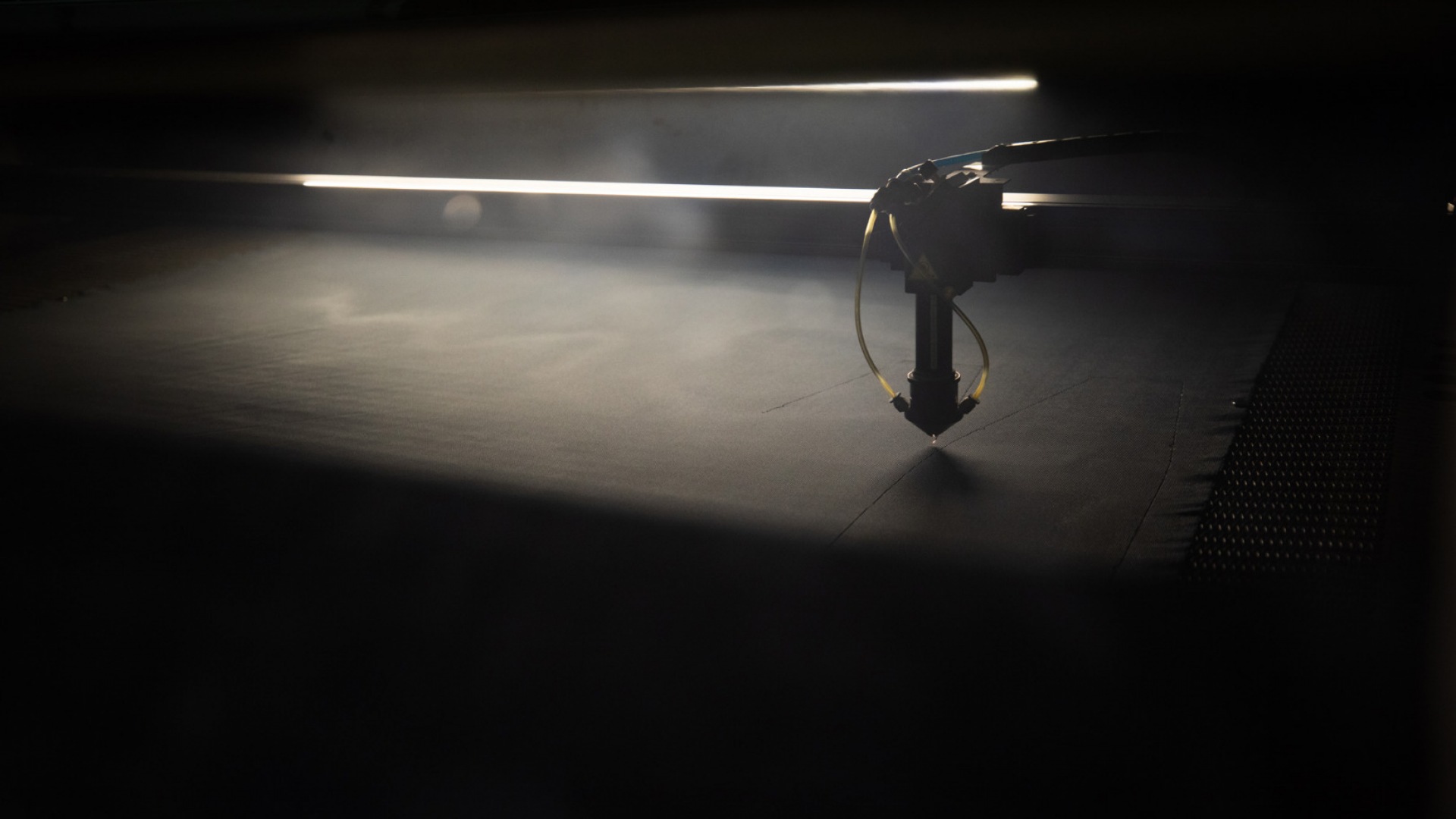
- Programmable Laser cutter.
- Manual cutting – straight knife. Used within our retail operation.
- Narrow Heat cutting - webbing / belt cutting – for lifting handles & manual handling sling products.
- Narrow Cold cutting – retail mattress handles
Our Cutting Reputation
In our quest to meet and exceed our customers expectations, cutting in the most effective method to deliver optimum performance, material utilisation & consistency in is where it all starts.
We have built on the ethos of integrity, product quality and world class customer service. This has meant we have gone from strength to strength as we continue to invest in the latest cutting-edge technology.
Our in-house design team can work with you to bring your idea from initial concept to production reality.
For synthetic technical textiles, Laser Cutting or Narrow Heat Cutting are the best options. These methods cauterize (seal) the edges of the fabric as they cut, preventing the loose fibres from fraying. This is widely used for webbing, belts, and performance textiles.
Cold cutting is typically used for natural fibres or applications where a sealed, hard edge is undesirable. We often use narrow cold cutting for mattress handles or wearable items where the material needs to remain soft to the touch and comfortable for the user.
Laser cutting is best suited for synthetic materials (like polyester and nylon) because it seals the edges. It can be used on some natural fibres, but care must be taken to avoid charring. We will advise you on the best cutting method (Laser, Knife, or Die) based on your specific material.
FAQs
Single-layer CNC cutting is ideal for prototypes, bespoke items, or materials that require high precision alignment (such as patterned fabrics). Multi-layer CNC cutting is designed for high-volume production, allowing us to cut through many layers of fabric simultaneously to ensure consistency and speed for large orders.
Narrow heat cutting is a process used primarily for webbing and belt products (such as lifting handles and manual handling slings). A heated blade cuts and simultaneously seals the ends of the synthetic material to prevent unraveling under load.
Yes. While we invest heavily in automation, we retain skilled manual cutting (straight knife) capabilities. This is often used for materials and complex shapes that may not be suitable for vacuum-compressed CNC beds.
CNC (Computer Numerical Control) cutting offers exceptional precision, far superior to manual methods. It ensures that every piece is cut to exact tolerances, which is critical for any application—from technical assemblies to retail products—where consistency is mandatory.
Nesting is the process of arranging pattern pieces on the fabric as efficiently as possible using computer software. Our CNC systems use advanced nesting to maximize material utilisation, significantly reducing waste and lowering your overall material costs.
Yes. Our in-house design team can work with you to take your idea from an initial concept to a production-ready reality. We can assist with pattern development to ensure your product is optimized for our cutting machinery.
For our programmable cutters, we typically work with standard digital design files (such as DXF, DWG, or AI). If you do not have these, our design team can help digitize your templates or sketches.
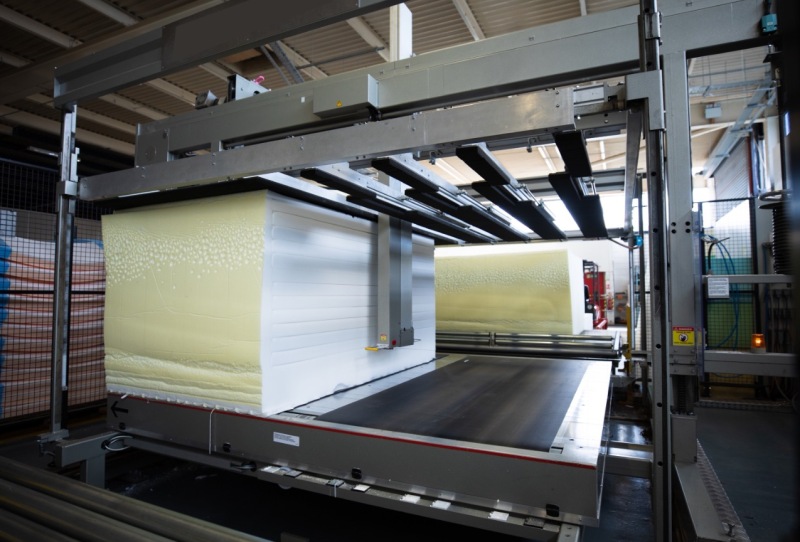
Yes, we have specific capabilities for Foam Cutting. We can identify the most appropriate method to suit both the product criteria and the material choice, whether it is a mattress core or a technical foam component.
Yes. In addition to cutting, we offer Fabric Sourcing services. We have established supply chains and can procure specialized textiles if you do not wish to supply your own.
We have experience spanning almost three decades across multiple sectors. We provide cutting services for the medical, retail bedding, and technical textile markets, applying the same level of expertise to every sector.
Yes. Our CNC single-layer cutting and manual cutting options are perfect for producing one-off samples or small prototype runs for testing before committing to mass production.
We are equipped for high-volume manufacturing. Our CNC controlled multi-layer cutting allows us to process large quantities of fabric quickly, making us a scalable partner for growing product lines.
Yes. Cutting is often just the first step. We offer a "one-stop-shop" solution including Sewing, Fabric Welding, Quilting, and Printing. We can cut your parts and immediately move them to our assembly lines to create the finished product.
Lead times vary depending on the complexity of the project, material availability, and our current production schedule. Please contact our sales team directly to discuss your specific deadline requirements.
Redwood TTM is located in Skelmersdale, Lancashire, UK. We serve clients across the UK and internationally, utilizing our supply chain management services to deliver finished goods where they are needed.
Absolutely. We operate as a contract manufacturer and are happy to cut customer-supplied materials (free issue). We recommend sending a small sample first to ensure it is compatible with our cutting machinery.
We operate under strict quality compliance standards across the board. Using automated CNC and laser technology removes the human error associated with manual cutting, ensuring that the 10,000th piece is exactly the same shape and size as the first, regardless of the industry or application.
 Foam Cutting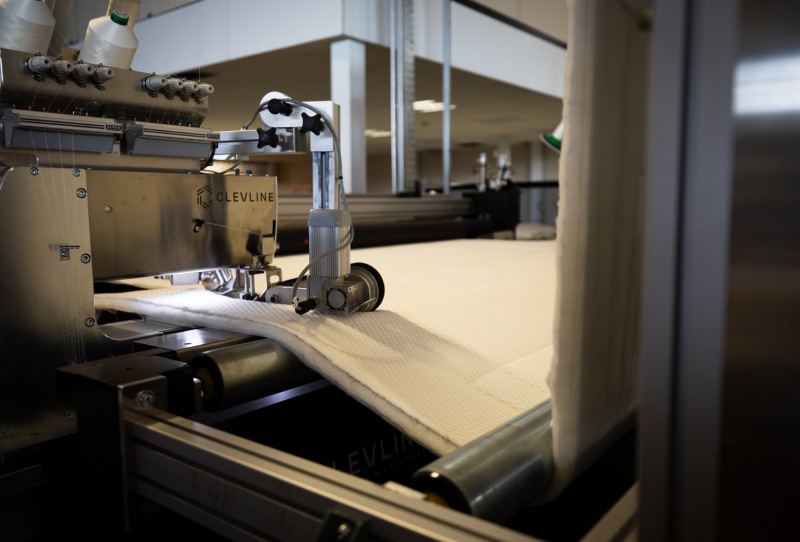
 Quilting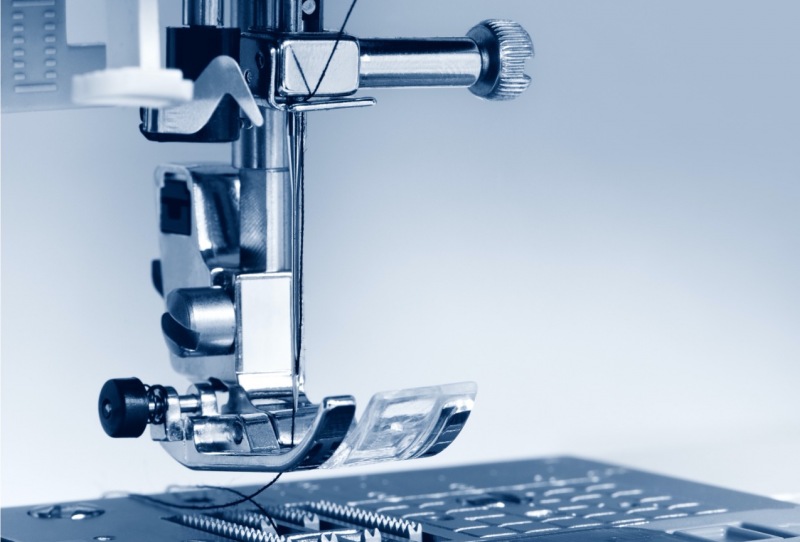
 Sewing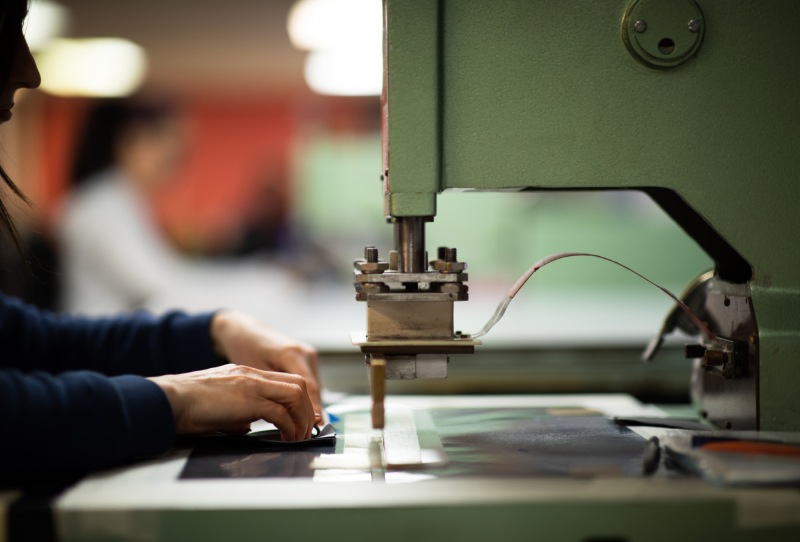
 Fabric Welding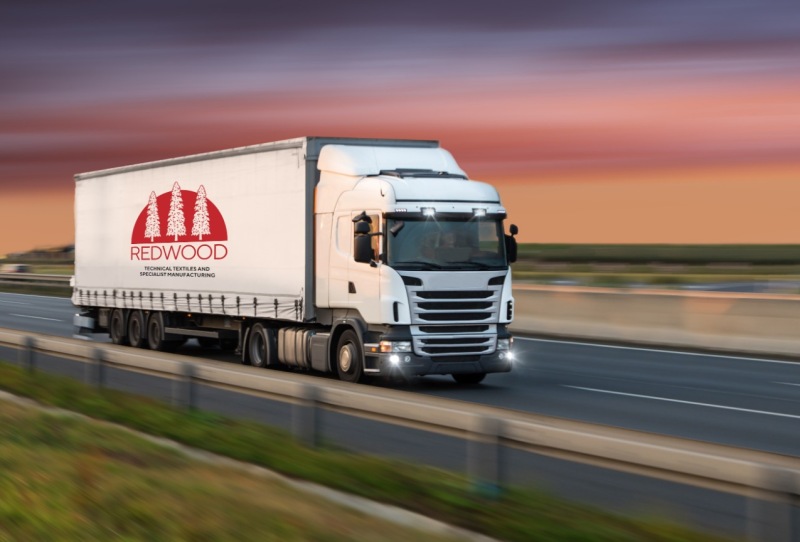
 Supply Chain Management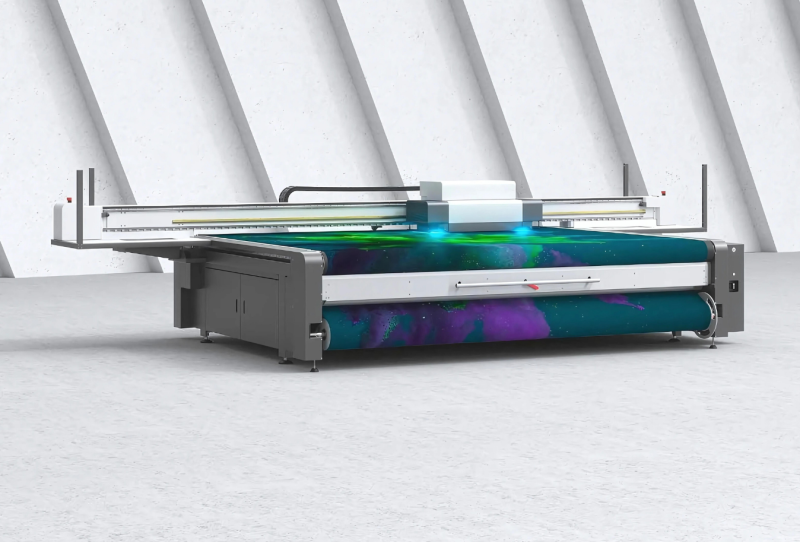
 Printing