Looking for the ultimate Fabric Welding solution
From its origins Redwood TTM has been all about its customer, working in partnership to provide the required solution, however big or small the challenge. Listening to the needs of the customer is at our heart, combined with our technical expertise and can-do attitude, we thrive on finding the right answer by working closely together.
Our Experience in Welding
Started over 20 years ago, utilizing our extensive range of PU coated materials, that had already established a reputation for quality, particularly within the medical pressure care market. It was a natural progression to enhance our product offering, into initially, mattress cover production and then fast forwarding through the years the varied finished product range that can be seen around our factory today.
Our Welding (& supporting) Capabilities
Our current manufacturing capabilities include.
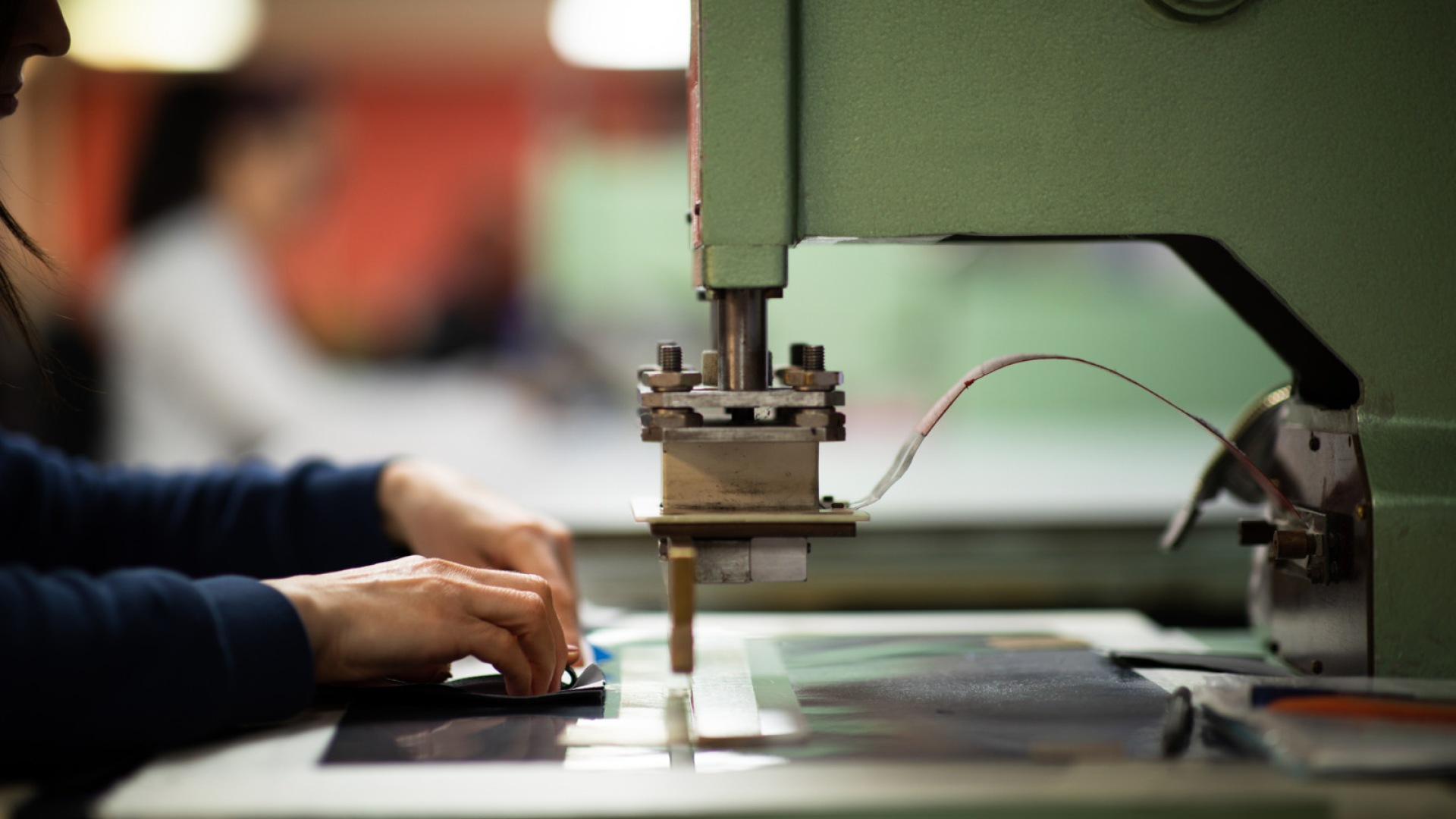
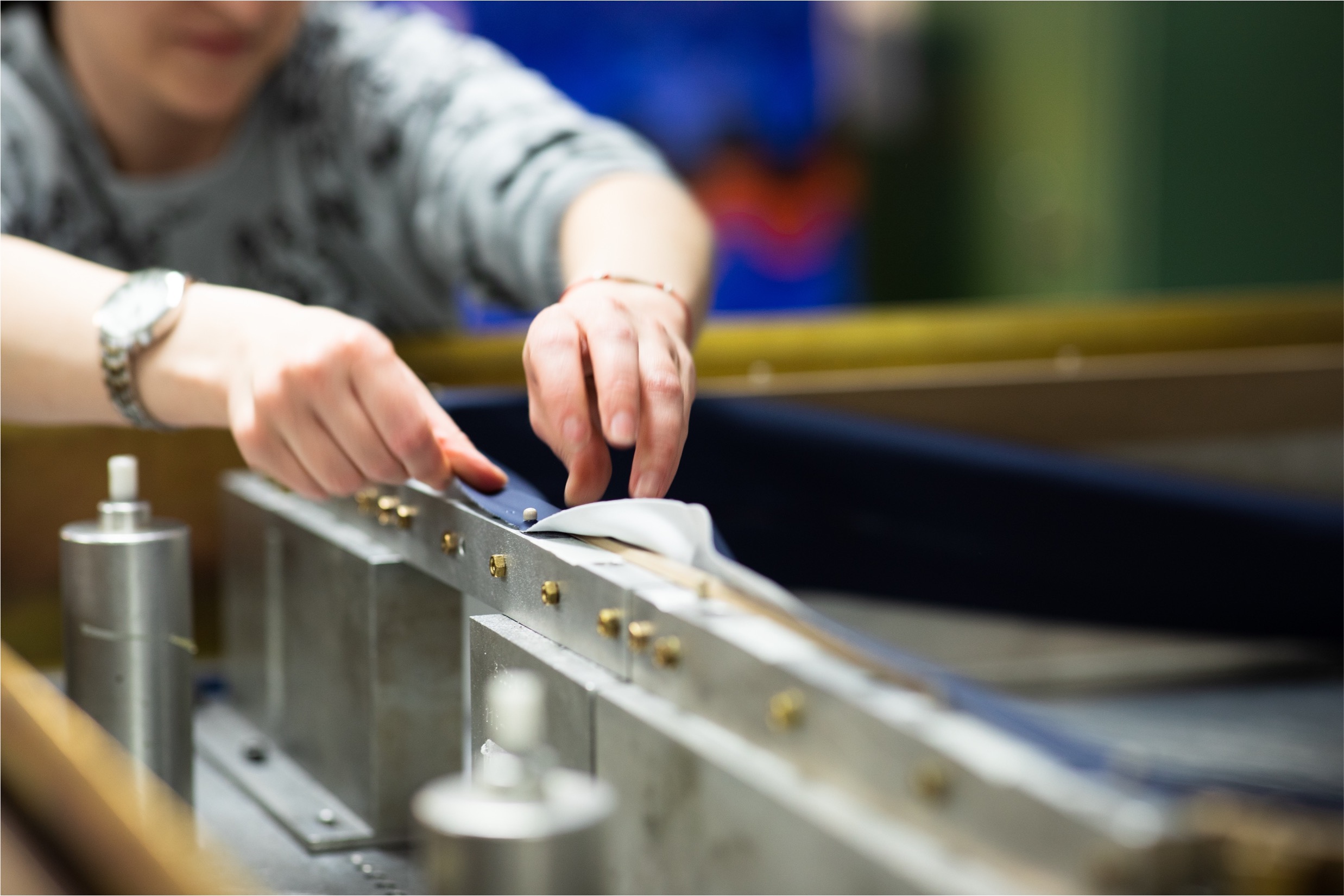
- HF (High frequency) welding – used to produce pressure area care products, such as removable zipped mattress & cushion covers, trolley covers, fully encapsulated high-risk mattresses.
- Heat Welding – used to produce wipe able pillows & duvets.
- Ultrasonic welding
- A comprehensive range of tool welding capabilities
- Medical standard upholstery – such as commode seating
- Supplementary in-house printing, (for care instructions & product branding)
- Foam conversion
Our Welding Reputation
We are proud to be associated with many leading brands within the pressure area care market & continue to be a leading manufacturer of own label product.
Our ethos of integrity, product quality and world class customer service, has meant we continue to work closely with the leaders in the market and at the forefront of product development.
Our in-house design team can work with you to bring your idea from a drawing table to the manufacturing line.
The next step
As we continue to grow & evolve in partnership with both new & existing customers, we are continually looking to invest in the latest technology, the addition of state-of-the-art foam conversion equipment, has allowed us to now provide a fully foam filled finished product.
Looking forward, we welcome the opportunity to work with you on the next generation of products and continue to challenge ourselves, in both material and product advancement, as we utilise, our increasing manufacturing capabilities and the joint knowledge of our respective teams.
FAQs
Fabric welding is the process of joining textile materials using heat, pressure or specialised tools to create a bond without traditional sewing.
Fabric welding fuses materials together to form seamless joints whereas sewing uses needles and thread to stitch pieces together.
Fabric welding is widely used in medical textiles, mattress covers, technical fabrics and products requiring strong, sealed seams.
Common techniques include high frequency (RF) welding, heat welding, ultrasonic welding and tool welding.
High frequency welding uses electromagnetic energy to heat and weld thermoplastic materials rapidly and consistently.
Heat welding is often used for producing wipeable items such as pillows and duvets where seams need to be smooth and durable.
Ultrasonic welding bonds fabrics together using high-frequency sound waves and pressure, creating strong, clean seams without thread.
Tool welding refers to specialised welding techniques using custom tools to meet specific product requirements.
Yes, thermoplastic coated materials such as PU, TPU and PVC are suitable for various welding techniques.
Yes, welded seams are often waterproof and more resistant to leakage compared with sewn seams.
Welded seams are common in pressure care products, removable covers, technical bags and healthcare textiles.
Welded seams can offer stronger, more uniform joins because the materials are fused rather than punctured by needles.
Welding often allows quicker production cycles and fewer finishes compared with traditional sewing.
Fabric welding is primarily functional but can support aesthetic designs when integrated with printing and patterning processes.
Yes, welding is often used for outdoor gear such as tarps tents and waterproof covers because of its sealed seam properties.
Extremely open weave or non-thermoplastic fabrics may not bond well without specialised welding methods.
Redwood has offered fabric welding for over 20 years as a core part of its technical textile services.
Yes, fabric welding is often integrated with printing, cutting and foam conversion during production.
Fabric welding produces airtight and watertight seams which are essential in medical environments for hygiene and infection control.
Many manufacturers provide custom welding capabilities to meet specific product requirements.
 Cutting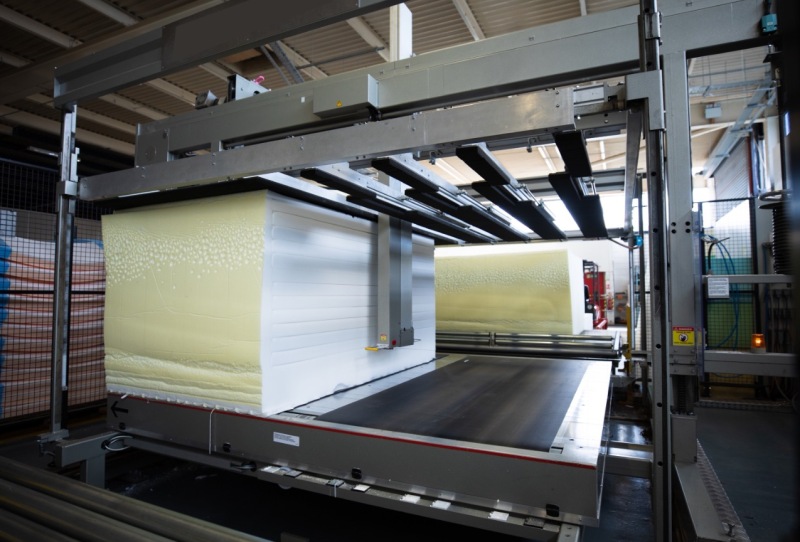
 Foam Cutting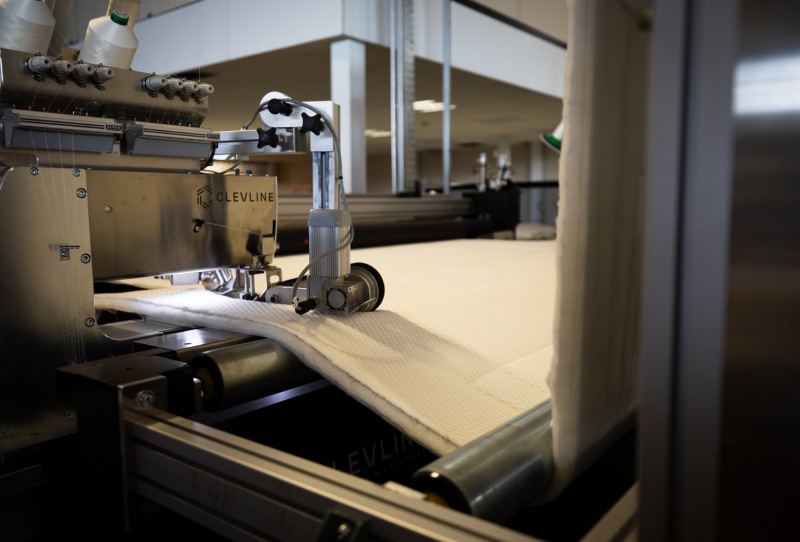
 Quilting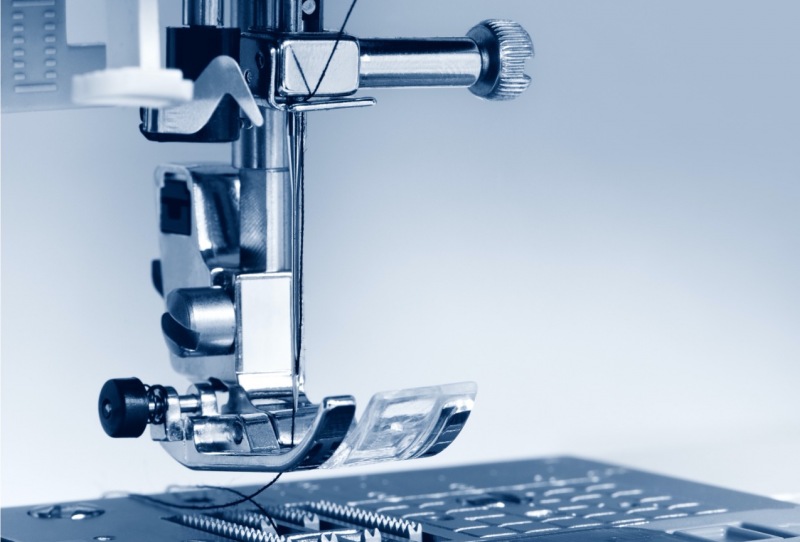
 Sewing
 Supply Chain Management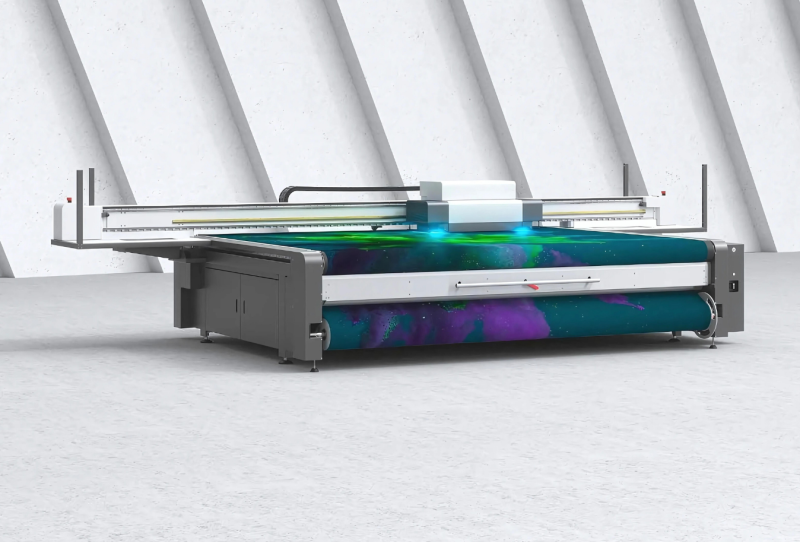
 Printing